B.U.G. Farmer B.U.G. Farmer

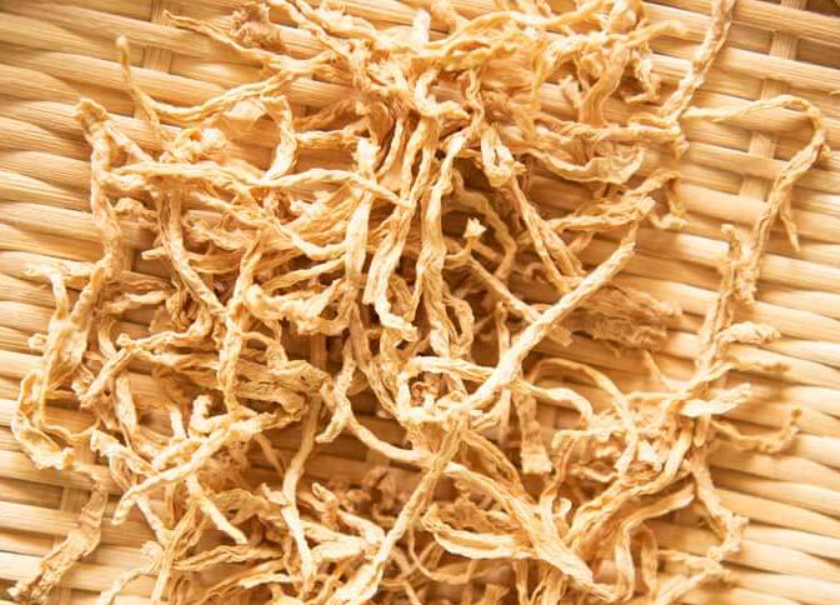
Home-made Kiriboshi Daikon (Dried Shredded Daikon)

If kimchi, or raw radishes aren't your thing, there is always the option of drying your radishes to make kiriboshi. 
You probably won't end up with much kiriboshi if you opt to dry your daikon radishes, but you could have enough to later make this recipe in the deep cold darkness of winter. The kiriboshi brings a depth of umami flavor to many soup and stew dishes. 

Read More
B.U.G. Farmer B.U.G. Farmer

Radish Kimchi

★★★★★5 from 5 reviews

  • Author: Funky Asian Kitchen

  • Prep Time: 1 hour

  • Total Time: 1 hour

  • Yield: 8 servings 1x

  • Category: condiment

  • Cuisine: Korean

Ingredients

  • 2 pounds korean radish (daikon is fine too)

  • ½ Tablespoons kosher salt

  • 1 ½ Tablespoon sugar

  • 3 cloves garlic minced

  • 1 Tablespoon peeled and minced ginger

  • 2 scallions trimmed and chopped 

  • 2 Tablespoons fish sauce (substitute with soy sauce for vegans)

  • ⅓ cup Korean hot pepper flakes (you can add less for milder tastes) 

Cook Mode Prevent your screen from going dark

Instructions

Prep the Radish:

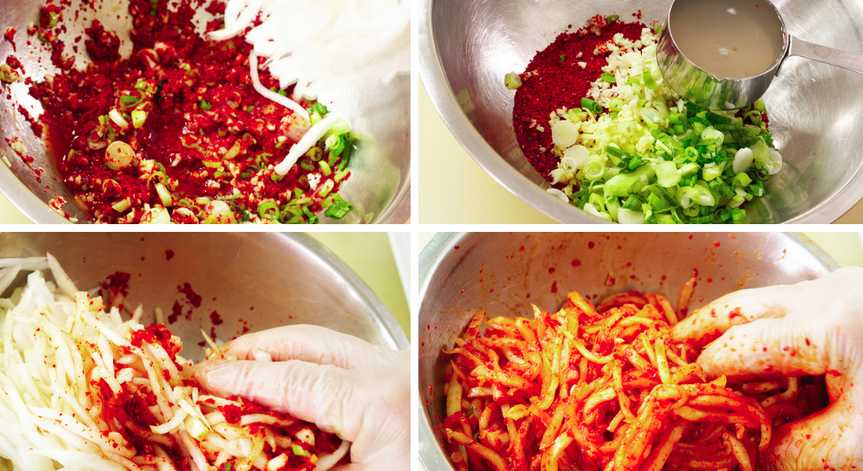
  1. Peel the radish and slice thin, stack and cut the slices into a julienne or thin matchstick. You can also use a mandoline and shred the radish. 

  2. Put the radish into a bowl and add the kosher salt and sugar. Toss to combine. Set aside and let sit for 30 mins, tossing once or twice more. 

Mix the Seasonings:

  1. In a separate large bowl, add the garlic, ginger, scallions, fish sauce, and Korean chile flakes. Mix well. When the radish has finished brining, scoop it out using your clean hands or a slotted spoon, and add it to the bowl of seasonings. 

  2. Then measure out 2/3 cup of the radish juice. Put on a pair of disposable gloves and mix the radish with the seasonings and the juice, making sure to get to the bottom of the bowl.

Filling Kimchee Jars:

  1. Use a glass container (plastic will absorb the smell and color and you will never get it out) and scoop the radish kimchi into the container, making sure to push down on the kimchi to eliminate air pockets.

  2. Fill up your container, leaving a good inch at the top for the fermenting liquid to expand. Wipe down the bottle and add the lid. You can continue filling up another container in the same way if you are using smaller containers. 

  3. You can eat it as is and it will taste more like a salad or you can put it into the fridge and start a slow fermentation where the kimchi will start to sour and ferment over the next week. Or you can do what I do, which is to leave the containers out on your kitchen counter overnight to kick start the fermentation. The kimchi will be a little bubbly at the top from the fermenting gases the next day. Then put the containers into the refrigerator. 

Notes

* This kimchi will be good for at least 2 weeks in the fridge and will continue to get more sour as the fermentation continues. Make sure you use a clean fork or spoon to scoop out the kimchi. Do not use your hands as you may introduce bacteria into the container. Once you’ve taken your portion, push down on the kimchi to keep the contents submerged in liquid

Read More
B.U.G. Farmer B.U.G. Farmer

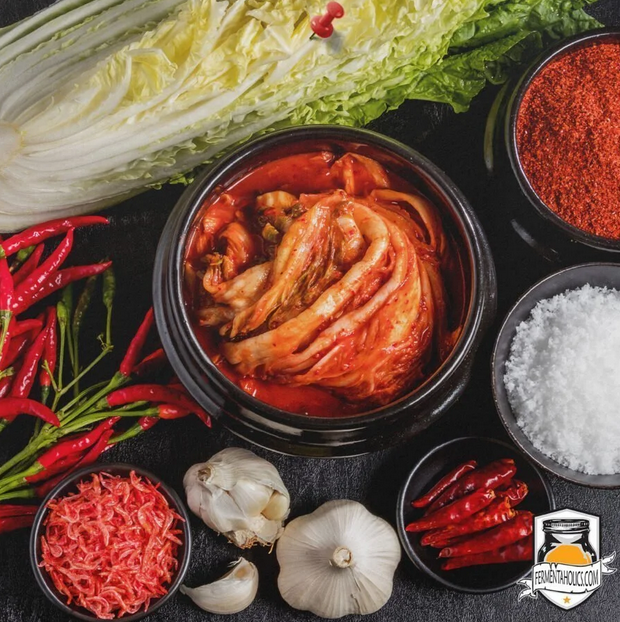
Traditional Napa Cabbage Kimchi Recipe

This Traditional Napa Cabbage Kimchi recipe is for one 32 oz jar. For a larger batch, scale this recipe by multiplying the ingredients or toggle the serving size above.

Author: fermentaholics.com

Ingredients & Supplies

Directions

  • Remove the outer leaf from the cabbage and reserve it for later.

  • Chop the remaining cabbage into bite size pieces and place in a large bowl with the daikon radish, pear, and scallions, then sprinkle with the salt.

  • Using a tamper or your hands, work the salt into the cabbage. Set aside at room temperature for 30 mins to 1 hour during which time the salt will draw out moisture from the cabbage.

  • Meanwhile, make the paste – add the remaining ingredients into a food processor and blend into a paste. (If you don’t have a food processor, you can finely chop all ingredients for the paste).

  • Massage paste into the cabbage mixture until it is well incorporated, then pack into the jar, using a tamper to pack it in firmly and remove any air bubbles.

  • Take the reserved cabbage leaf and place it on top to act as a follower, then place the glass weight on top and press firmly until the weight is submerged by the brine. If there is not enough liquid to submerge, add filtered water to top it off.

  • Place lid with airlock on top and let ferment for 3-14 days, ideally around 75°F. The longer the fermentation, the tangier and more sour the flavor gets. Taste it along the way and when you are happy with the flavor, place it in the refrigerator to halt the fermentation.

Read More